East Market Font: Elegant Serif for Makers
The morning light was just hitting my workbench when I opened the latest design file for a batch of soy wax candle labels. I had the layout ready, the botanical illustrations placed, and the color palette chosen—a soft sage green with muted gold accents. But something felt off. The text looked too rigid, too digital. It lacked the warmth and handcrafted soul that defines my small shop. I needed a typeface that could bridge the gap between modern minimalism and vintage charm. That is when I discovered East Market, an elegant serif font created by Nick Curtis. As soon as I typed out "Lavender & Sage," the entire mood of the label shifted. It felt established, inviting, and undeniably premium.
For crafters, handmade sellers, and printable creators, finding the right typography is often the most challenging part of product development. We spend hours selecting paper stocks, testing ink colors, and perfecting cut files, yet the font choice can make or break the perceived value of the final item. East Market has become a staple in my design toolkit because it offers that rare combination of sophistication and approachability. Whether I am designing wedding invitations, creating boutique packaging, or laying out digital planner pages, this creative font brings a distinct personality to every project.
Bringing Warmth to Product Labels and Packaging
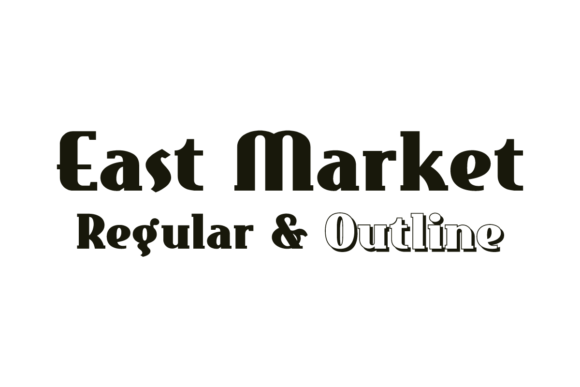
One of the primary ways I use East Market is for physical product labeling. In the world of handmade goods, packaging is not just a container; it is the first tactile interaction a customer has with your brand. I recently used the Regular style of East Market for a line of artisan soap bars. The serif details are crisp enough to remain legible at smaller sizes, which is crucial for ingredient lists and weight declarations, yet they possess enough flourish to serve as the main title font.
The font’s visual personality is rooted in classic editorial design, reminiscent of early twentieth-century newspapers and high-end literary journals. This heritage gives it an air of authority and trustworthiness. When a customer picks up a jar of homemade jam or a bottle of small-batch hot sauce, the typography subconsciously signals quality. Using a freebie font like East Market allows small business owners to achieve this high-end look without inflating their overhead costs. It is a practical solution for makers who need to maintain healthy margins while still presenting a polished brand identity.
For those using cutting machines like Cricut or Silhouette, the Outline style included in the East Market package offers exciting possibilities. I have used the outline version to create layered vinyl decals for tote bags and wooden signs. The clean lines of the outline style cut smoothly, reducing the risk of weeding errors that often plague intricate script fonts. This makes it an excellent choice for beginners who want professional-looking results without the frustration of complex vector paths.
Elevating Stationery and Wedding Invitations
Beyond product packaging, East Market shines in the realm of stationery and event design. Wedding invitations require a delicate balance between formality and romance. While script fonts are traditionally popular for weddings, they can sometimes be difficult to read or feel overly ornate. East Market provides a sophisticated alternative. I recently designed a suite of wedding welcome boards and menu cards using this typeface. The Regular style served beautifully for the couple’s names and section headers, while a simple sans serif font was paired underneath for the body text detailing the schedule and meal options.
This font pairing strategy is essential for maintaining readability. A general rule in typography is to contrast styles. Since East Market is a serif font with distinct character shapes, it pairs exceptionally well with clean, geometric sans serif fonts or even subtle handwritten fonts for accent words. This combination creates visual hierarchy, guiding the viewer’s eye through the design naturally. For printable creators selling digital invitation templates, offering a pre-paired font suggestion can add significant value to the product listing, helping customers visualize the final result.
The versatility of East Market extends to greeting cards and thank-you notes as well. Its charm lies in its ability to feel both personal and professional. A simple "Thank You" printed in East Market on heavy cardstock feels thoughtful and curated. For seasonal products, such as holiday gift tags or Christmas cards, the font’s classic aesthetic fits seamlessly with traditional decor themes. It does not scream for attention but rather invites the viewer to pause and appreciate the detail.
Digital Downloads and Brand Consistency
In the growing market of digital downloads, consistency is key to building a recognizable brand. I use East Market across various digital assets, from Etsy listing images to social media graphics. Because it is available as a freebie, it is accessible to a wide range of creators, which means it is important to use it uniquely to stand out. I achieve this by experimenting with spacing, capitalization, and color.
For example, when creating printable wall art, I often use East Market in all caps with increased letter spacing to create a modern, airy feel. This technique transforms the traditional serif into something contemporary and fresh, suitable for modern farmhouse or minimalist interiors. For planner pages and journal inserts, the font works well for monthly headers and section titles. However, for longer blocks of text, I always recommend switching to a more neutral body font to ensure ease of reading. East Market is primarily a display font, meaning it performs best in titles, short phrases, and decorative wording rather than long paragraphs.
When incorporating any font into commercial products, it is vital to check the licensing terms. Nick Curtis has provided East Market as a free resource, but understanding the scope of commercial use is necessary before selling physical merchandise or digital templates. Always verify if the license covers end-product sales, such as printed t-shirts or mugs, versus digital redistribution. Respecting intellectual property ensures that our creative community remains sustainable and supportive.
Practical Tips for Using East Market
To get the most out of this creative font, consider these practical applications in your next project:
- Logo Design: Use the Regular style for a boutique logo that needs to convey elegance and tradition. It works particularly well for bakeries, florists, and vintage shops.
- Social Media Graphics: Overlay East Market on textured backgrounds, such as linen or kraft paper images, to enhance the handmade aesthetic of your posts.
- Product Tags: Print small hang tags for jewelry or clothing items. The outline style can be embossed or foil-stamped for a luxurious touch.
- Seasonal Signage: Create large-format prints for fall harvest signs or spring welcome mats. The bold strokes of the serif hold up well at larger sizes.
Ultimately, East Market is more than just a set of letters; it is a design asset that helps tell the story of your brand. It connects the maker’s intent with the customer’s experience, adding a layer of emotional appeal that generic fonts simply cannot match. By integrating this elegant serif into your labels, invitations, and digital designs, you elevate the perceived quality of your work. It reminds us that in the world of handmade goods, the details matter. Every curve, every serif, and every space contributes to the overall narrative of your craft. So, the next time you are stuck on a design, try letting East Market speak for you. You might find that it says exactly what you have been trying to express.